
On the other hand, an excess of total liabilities over total assets would result in booking a goodwill balance in the opening journal entry of the business. With this in mind, most modern law firms have moved beyond manual accounting entries—turning instead to accounting software to assist. Recording closing journal entries thus allows a business to reset its general ledger to start the next period with a new journal. Here’s how to enter an opening balance for accounts you create in QuickBooks. Learn how to enter an opening balance for a bank, credit card, and other types of accounts. Thus, the best way to resolve this is to undo all the reconciled transactions and create a Journal entry (JE) to record https://www.bookstime.com/ it.
- Debit the equity accounts you want to allocate the funds to, and credit the opening balance equity account for the same amount.
- In this article, we will discuss the importance of journal entries, look at journal entry examples, discuss common mistakes, and learn how to maintain them.
- Closing journal entries serves as a way to mark the end of an accounting period (such as the end of a fiscal year).
- Following these best practices can contribute to the reliability and integrity of your financial data.
- You purchased $200 worth of inventory with cash from a supplier for your company.
Step #2 – Entering opening balances for liabilities
For example, when purchasing inventory on credit, the journal entry may include a debit to “inventory” and a credit to “accounts payable,” and possibly a credit to “sales tax payable” is applicable. As long as the debits and credits balance, multiple accounts can be included in one journal entry, streamlining your accounting process. Entering the opening balance in the chart of accounts within Quickbooks involves recording the initial financial values for specific accounts to ensure accurate bookkeeping and financial tracking. When you start using QB you enter all values from your balance sheet and the difference between assets and liabilities as of your “open in QB” or any other accounting program, is your Opening Balance Equity. In accounting, a journal entry is the record of a financial transaction that a business (like your law firm) makes in the law firm’s journal.
How does opening balance equity work?
Each accounting period’s data must be contained within the designated time frame in order to accurately depict the financial standings of the company. Whichever the reason is, having funds left in the opening balance equity account can cause problems for financial reporting. They mess up financial statements, making it hard for people to properly analyze a company’s financial performance and see how the company’s doing. It results in wrong decisions by investors, lenders, and experts who rely on accurate bookkeeping financial info.

Opening Entry In Accounting
- At the end of your first fiscal year,if not automatically moved, you would transfer that OBE from the beginning to your regular equity account.
- So, after you identify and correct them, you’ll need to allocate the funds from the OBE account to the appropriate accounts to reflect the corrections.
- So, we need to allocate it to the appropriate accounts in your chart of accounts.
- Learn how to enter and manage an opening balance for bank, credit card, and other types of accounts.
- An accounting period is the period of time that will be covered by a company’s financial statements.
Opening entry is referred to as the first entry that is recorded or which is brought forward from a previous accounting period to the new accounting period. This is good because opening balance equity should be temporary by design. The Opening Entries is the balance sheet amount which is brought forward at the beginning of an accounting period from the end of previous accounting. The opening balance consists of Assets, Capital & Liabilities of the company brought from previous year’s Balance sheet. If you forgot to enter an opening balance when you created an account, don’t worry. So, upon completing the setup, you might want to allocate this balance to the appropriate accounts, such as inventory assets or equity accounts.
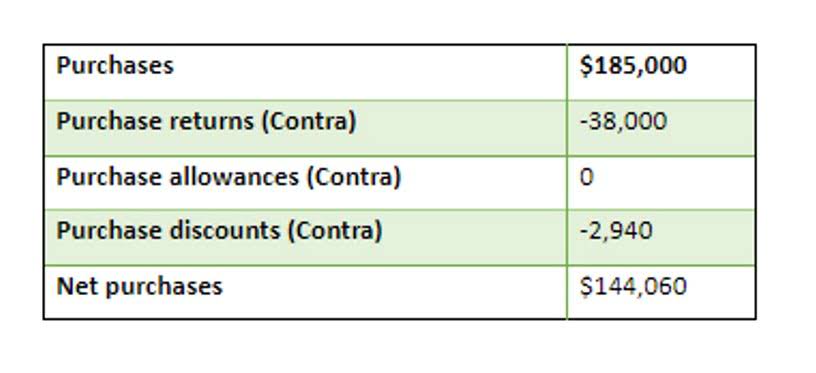
The value of your sales and expenses opening balance journal entry appear on your Profit and Loss report. However, to correctly calculate the profitability of your inventory items, you must also take into account any unsold inventory at the end of any given period. Not including the unsold inventory can create an inflated profit or a loss on your report. You can ensure unsold inventory is included by posting opening and closing inventory journals. Manually entering the opening balance in Quickbooks involves direct input of the initial financial values to accurately reflect the company’s financial position at the onset of a new accounting period.